
CIPD qualifications in Nigeria have no single price tag. The Chartered Institute of Personnel and Development does not fix tuition in naira, so what you pay depends on the approved study centre, the level you choose, and whether you come in through the CIPM mutual recognition route. Expect anything from about ₦2.6 million to well over ₦12 million, going by the figures on Laimoon’s fee listings for Nigeria.
That’s a wide gap. A brutal one, frankly.
Most HR professionals I talk to start with the same question: “How much is Level 5?” and get five different answers from five different providers. Nobody is lying. The pricing is simply decentralised, and the sticker number rarely includes membership, assessment, or the cost of resubmitting an assignment you flunked the first time.
So let’s pull it apart properly, level by level, fee by fee and decide whether the whole thing deserves your money.
How Much Does CIPD Cost in Nigeria?
Before any naira figures, a small clarification. CIPD is a UK professional body, so its published numbers are in pounds. Nigerian students pay in naira through providers, and exchange rates move. Treat every figure below as a rough guide and ask for a written quote.
CIPD itself says course pricing is set by each study centre, with typical ranges for Foundation and Advanced programmes sitting around £1,300 to £2,300 and £3,000 to £7,000 respectively. Convert that to naira and you see why people wince. You can check out the HR Expo Africa CIPD page to make an enquire.
Level 3 Fees
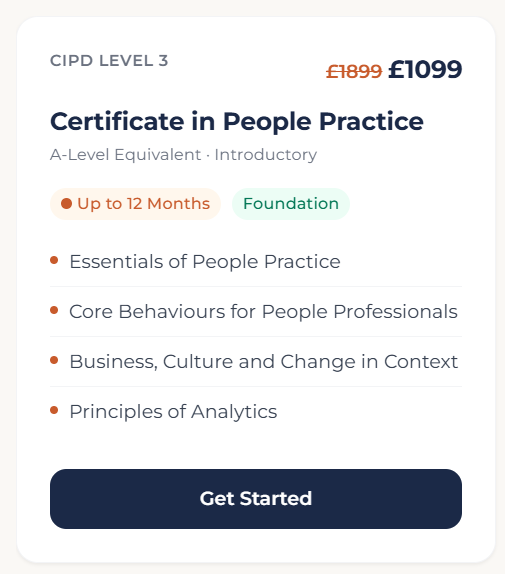
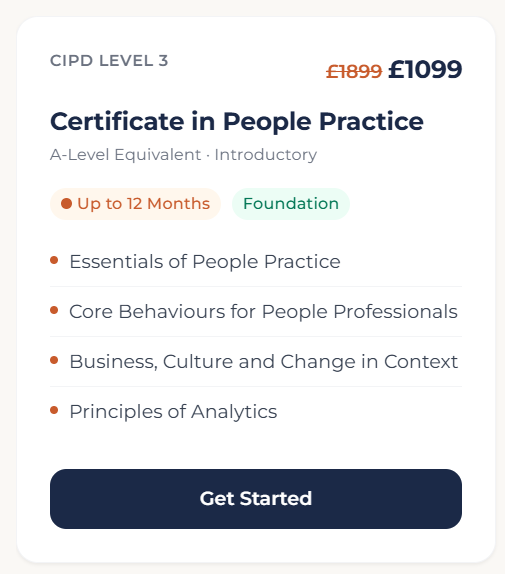
Level 3 is the Foundation Certificate in People Practice. It’s the entry point, short on credit value and light on guided learning hours (GLH), which is why it’s the cheapest of the three. Think roughly £1,300 to £2,300 at the UK rate, so a few million naira at today’s exchange.
Don’t be fooled by the low price, though. A Level 3 cost that looks friendly can balloon once you add student membership and any exam or assignment resubmission fees. It suits people moving into HR from admin, or HR assistants who want a recognised certificate without a heavy time commitment.
Level 5 Fees
Level 5 is the Associate Diploma in People Management. This is the sweet spot for many practising HR professionals, and it’s where the prices start climbing. Providers bundle units, mandatory and optional, and the total credit value drives the fee.
Expect the mid-range of the CIPD’s published bands, so somewhere between £3,000 and £5,000 for many centres, and sometimes more for tutor-led packages. Ask how many units are included, since some centres charge extra for optional unit choices.
Level 7 Fees
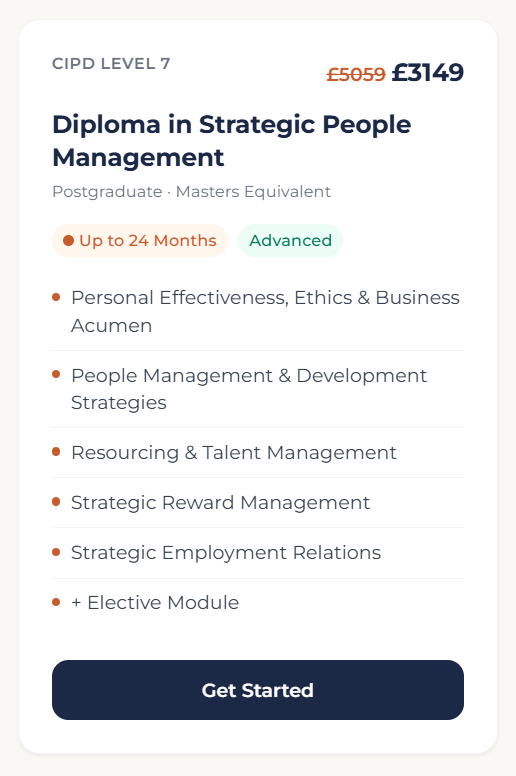
Level 7 is the Advanced Diploma in Strategic People Management, a postgraduate-level qualification. It carries the biggest credit value and the most GLH, so naturally it sits at the top of the range, often £5,000 to £7,000 or beyond.
At that level you’re paying for depth: strategic management, evidence-based practice, a serious dissertation-style assignment load. Executives and senior HR managers tend to pick this route, and employers are likelier to sponsor it.
What Factors Affect the Total Cost?
Three things move the price more than anything else. Get these wrong and you’ll overpay by hundreds of thousands of naira.
Training Provider
Avado Learning, e-Careers, The Knowledge Academy and local study centres all price differently. A premium UK provider with live tutors and a polished learning platform will cost far more than a lean online centre. Neither is automatically better. What matters is whether the provider is CIPD-approved, how strong their pass rates are, and what the quote actually covers.
Study Mode
Online self-paced is usually cheapest. Blended learning, mixing live virtual sessions with self-study, costs more. Fully classroom-based tuition costs the most, and in Nigeria it adds transport, time off work, and often accommodation if the centre is in another city. I’d argue that for most working professionals in Lagos or Abuja, a good online or blended option beats the classroom on both price and sanity.
Programme Structure
Some centres sell a full package. Others price per unit. A “plus package” might add tutor support, mock assessments or extra resubmission attempts, while a basic package leaves you paying as you go. Also check the duration. Longer programmes mean longer instalment commitments, and some centres charge more for extended access.
Which Extra Fees Add to the Bill?
Here’s where budgets quietly die. The course fee is rarely the whole story.
CIPD charges a one-off joining fee of about £40, listed on its membership fees page, and then an annual subscription. Student grades have been around £118 a year, while Associate sits near £199 and Chartered near £231, according to current CIPD tiers. Membership is generally needed to study and to use the post-nominals later.
Then come the smaller leaks:
- Assessment or exam fees, if not bundled into the course
- Resubmission charges when an assignment is referred
- Learning materials, such as textbooks or digital library access
- Possible extension fees if you overshoot the study period
Ask the provider for an itemised list. If they hesitate, that tells you something.
What Payment Plans Are Available?
Most providers offer instalments. A typical UK-based set-up asks for a deposit, then spreads the rest over 12 to 18 months, often interest-free, as laid out in this CIPD course price breakdown. Payment is normally by direct debit or card, and some Nigerian-facing centres accept bank transfers on a monthly schedule.
Now the honest bit. Instalments make the bill easier to swallow. They do not make it cheaper. You still owe the full amount, and a long plan locks you in even if your circumstances change. I’d look at the total, not the monthly figure, before signing anything. Monthly numbers are designed to feel small.
Have a look at the CIPM’s own announcement too. After public demand, it allowed membership subscription and induction fees to be paid in four instalments, which shows local bodies are listening.
How Can CIPM Members Convert to CIPD?
If you already hold CIPM membership, stop and read this before paying international tuition.
The CIPM and CIPD signed a mutual recognition agreement in September 2024, and the local route is considerably cheaper than starting from zero. On the CIPM-CIPD page, the listed local costs include an assessment fee of about ₦200,000, training of roughly ₦150,000 to ₦250,000, and induction between about ₦136,000 and ₦151,000.
CIPD also publishes its collaboration assessment fees for eligible CIPM members, at £120 or £250 depending on tier. Add those up and you land far below a full Level 7 package.
There’s a catch. Eligibility rules apply, and the application process asks for evidence of competence and experience. Read the requirements first, gather your documents, then apply.
Compare Funding Options Before You Commit
| Option | Who it suits | Watch out for |
|---|---|---|
| Instalments | Self-funders with steady income | Full total still due; deposit upfront |
| Employer sponsorship | Staff with a clear development plan | Bonding clauses, repayment if you leave |
| Personal loan | Those with no employer support | Interest can erase any saving |
| Bursary or scholarship | Early-career or high-need learners | Rare, competitive, limited places |
| CIPM crossover | Existing CIPM members | Eligibility checks and local fees |
Employer sponsorship is the one I’d chase first. Pitch it as a business case: better people processes, lower turnover, stronger compliance. Ask in writing whether the employer pays the provider directly or reimburses you, and whether you’d owe anything back if you resign within a set period.
Loans deserve suspicion. Nigerian interest rates can swallow your gains quickly, so borrow only if the salary jump is realistic and soon.
How Can You Reduce Your CIPD Cost?
Compare at least three CIPD-approved providers, and compare like for like. Same level, same units, same assessment support.
Pick online or blended over classroom if you can. Choose optional units that match your job so you don’t waste effort. Pass first time, because resubmission fees stack up quietly. And if you qualify, go through CIPM mutual recognition rather than paying for a full course.
One more trick: time your enrolment. Some centres run discounts or early-bird deals, and paying a chunk upfront can sometimes cut the total.
Is a CIPD Qualification Worth the Investment?
Sometimes yes. Sometimes no.
If you work for a multinational, a bank, an oil and gas firm, or you plan to move abroad, CIPD carries real weight and can open doors to senior human resource roles. Chartered status helps credibility, particularly in learning and development, reward, and employee relations. If your career stays within a small local firm, the premium may not repay itself, and CIPM alone could do the job.
Honestly, paying full UK-provider prices is overrated for most Nigerians. Do the sum: total cost, including every extra, against the realistic salary lift over three to five years. If the numbers don’t work, don’t force them.
FAQ
How much does CIPD Level 5 cost in Nigeria?
There’s no fixed price. Most providers charge somewhere between £3,000 and £5,000 equivalent, so several million naira, plus membership and any assessment extras.
Can I pay CIPD fees in instalments?
Yes. Many providers allow deposit plus monthly payments over 12 to 18 months, often interest-free.
Is CIPD membership compulsory?
Student membership is generally required while studying, and an annual fee applies.
Is the CIPM-CIPD route cheaper?
For eligible CIPM members, usually yes, since you pay local assessment, training and induction fees instead of full tuition.
Does my employer have to pay?
No. Sponsorship is negotiated, so make a clear case and get terms in writing.
Conclusion
CIPD costs in Nigeria swing wildly because providers, study mode and programme structure all set their own rules. Add membership, assessment and resubmission charges, and the true figure sits well above the headline.
Check every fee. Compare funding routes. Look hard at the CIPM crossover if you qualify. Then ask yourself one blunt question: will this qualification pay me back?
If yes, go in with your eyes open.